Majorca is the largest island in the Balearic archipelago in Spain. There is a suitable holiday option for every tourist. Here are some interesting ideas of things to do in Mallorca – both for families with children, supporters of quiet holidays and leisurely sightseeing, and fans for active parties, gastronomic tours and chic shopping.
Explore the capital city: Palma de Mallorca, located on the bay of the same name
This city is full of attractions that can’t be found anywhere else:
- Every local courtyard is a true architectural gem;
- Luxury yachts, boats and catamarans in the harbour, located in the centre of the city, for sailing in Mallorca;
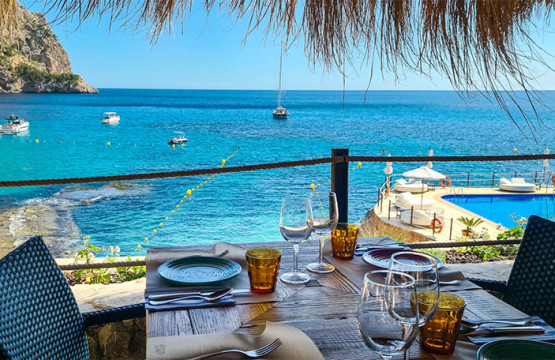
- Beautiful beaches with charming coves, lush vegetation and high hills, perfectly blended with the clear turquoise waters of the Mediterranean Sea and blue skies;
- The largest Gothic cathedral in the world, La Seu, built in 1229. It houses the Chapel of the Holy Trinity, the resting place of the tombs of Kings James II and James III. La Seu Cathedral is impressive not only from the outside. Inside there are over 60 colourful stained glass windows and 5 stained glass rosettes. The largest of them is 13.8 metres in diameter and was built in 1370. Locals call this stained glass window the Gothic eye. More than 1000 carefully polished pieces of glass were used to make it. The Gothic Eye is not placed on the main facade, but above the presbytery. It is a particularly impressive sight in the morning, when the sun emerging from behind the horizon shines through the stained glass windows, painting the interior of the cathedral with bright colours. La Seu Cathedral has another interesting place, the museum, which contains many religious artefacts from the Middle Ages: 16th-century silver gift bearers, decorative candelabras, reliquaries, Gothic sculptures and paintings, as well as archive photographs of the cathedral;
- The picturesque Parc de la Mar, overlooking the Cathedral, is ideal for relaxing among the palm trees or a family picnic;
- Marivent Gardens Park offers a unique view of the Mediterranean vegetation;
- The 90 kilometres of the Sierra de Tramontana mountain range will appeal to hikers and cyclists;
- The round castle of Castel De Belver, built in the 14th century, offers an amazing panoramic view of Palma de Mallorca and the coast;
- The Santa Catalina neighbourhood is a labyrinth of narrow streets with a fashionable quarter with boutiques, markets, restaurants, dance and nightclubs.
Visit charming Spanish villages
Mallorca’s seaside villages combine natural beauty with unique authentic architecture.
Port de Soller
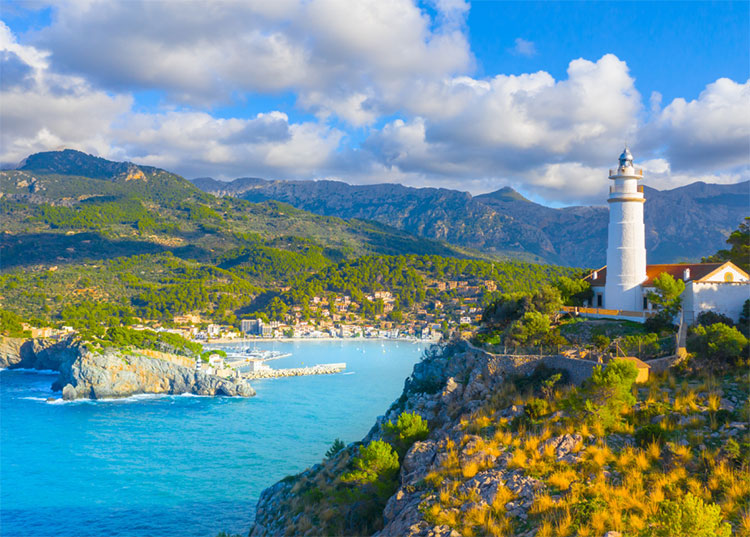
This small town of colourful fishermen’s houses is located in the north-west of Mallorca. Thanks to its remoteness from civilisation, it has managed to preserve its natural charm and traditions. Port de Soller is famous for the historic tramway that connects it to the inner town of Soller, surrounded by orange groves. Its bay, which offers spectacular views of the coast and the Tramontana mountain range, is very popular not only for relaxing sea baths, but also for water sports and sailing cruises.
Port de Pollença
A charming seaside enclave that has become one of the most popular destinations on the island thanks to its marvellous sandy beach, ideal for relaxing and swimming in crystal clear waters. It sits on a lively seafront promenade full of restaurants, shops as well as luxury estates of world celebrities. A particular favourite here is watching the sunset from the watchtower on the way to Cape Formentor.
Portocolom
Immerses you in an atmosphere of tradition, simplicity and naturalness. Old fishermen’s houses painted in pastel colours, with flirty balconies and magical courtyards face the sea. The view of the bay from the local lighthouse is spectacular.
Banyalbufar
The village, set among spectacular cliffs, captivates with its authenticity and wildlife. Between the steep streets and stone houses with terraced vineyards, which are built right on the slopes overlooking the sea, the old bars and taverns remain. In them you can spend fantastic evenings after a swim in the bay.
Valldemossa
One of Mallorca’s most charming villages, set in the picturesque surroundings of the Serra de Tramuntana mountains. It forever captures the heart of everyone who visits it. The cobbled streets are full of bustling locals and stalls selling fresh fruit, vegetables and sweets. The hand-painted clay pots filled with flowers hanging on the walls and religious images adorning the doors of the houses add to the unique charm of Valldemossa. But the main attraction of Valldemossa is the Cartesian Monastery, where composer Frédéric Chopin lived with his beloved writer Georges Sand. This place attracts lovers of history and culture with classical music concerts and the opportunity to visit the Chopin Museum.
Discover Mallorca’s natural wonders
Mallorca has more than 250 picturesque coves surrounded by cliffs and trees. Each of them is worth a visit. There you can experience true peace and quiet surrounded by the unexplored nature of the island.
The best time to visit Cabrera National Park is before dawn. Here, the only sounds are birds flying and waves crashing on the rocks. The rays of the rising sun are picturesquely reflected in the calm sea. Moments like these are worth getting up at six in the morning, even on holiday. They allow you to clear your head of rushing thoughts and gain energy for at least a year ahead.
The Serra de Tramuntana stretches north-west of the island of Mallorca for 90 kilometres from Calvià to Pollensa. It is an idyllic place for hiking and cycling. Amazing cliffs entering the sea, lush forests of oak and Mediterranean pine, steep peaks over 1000 metres high, hidden coves and sandmills are just some of the images this unique natural landscape offers. It was not without reason that it was declared a UNESCO World Heritage Site in 2011.
The rocky cape of Cap de Formentor is known by locals in Mallorca as the meeting point of the winds. They change direction and make sailing difficult. More than 13 kilometres of highway separates Puerto de Pollensa and the end of the cape, where the famous lighthouse is located. The cape is surrounded by incredibly clear, clear waters of a beautiful turquoise colour. Here you can see aquatic plants, different species of fish, sea urchins, starfish and even octopuses. The views are stunning – abysses shrouded in Mediterranean vegetation growing on the hills and goats leaping up the slopes. But the main thing is the bright blue always cloudless sky and the clear sea. The road is steep, winding and full of twists and turns, which raises the adrenaline level of even the most adventurous travellers!
Relax on Mallorca’s best beaches and coves
Mallorca is a paradise for holidaymakers on the azure waters of the Mediterranean. It has everything from long, well-maintained beaches with a lively atmosphere to secluded coves nestled among the cliffs.
The most popular beach locations include:
- Playa de Muro is a cosy family resort located in the north of the island in the Gulf of Alcudia. It definitely deserves the attention of Mallorca’s guests. It has an interesting hotel base, a large selection of restaurants and bars, and fantastic panoramic views. All the most important amenities and a sense of seclusion, given by the pine forests. which separates you from the main streets and the hustle and bustle;
- Cala Mondrago is a picturesque bay with crystal clear water, surrounded by a natural park consisting of pine forests, stone houses, wells and ponds where flax and hemp used to be soaked. One of the largest fairs takes place weekly in this part of the island, in the town of Santanyi;
- Cala Deia is a secluded rocky cove located near the village of Deia. It is a popular destination for lovers of nature, art and local cuisine. The waters of the bay are ideal for snorkelling and the surrounding mountains offer unforgettable walks.
Immerse yourself in Mallorca’s cultural and historical attractions
Despite its small length and width, the island of Majorca is dotted with a variety of historical and cultural attractions. The most popular of these are:
- The medieval city of Alcudia, located in the north-east of Majorca. It is surrounded by large defensive walls with numerous towers around the historic centre. In Alcudia it is worth just strolling through the magical streets, especially on Tuesday or Sunday when there is a huge market of local fruit, vegetables and a variety of goods – both souvenirs and everyday items. There are several beaches near the town. The most popular is the one at Port d’Alcudia – sandy and incredibly wide.
- The Pilar and Juan Miró Foundation is a cultural centre based on the art studios that the artist Juan Miró bequeathed to the public. It offers visitors an insight into his artistic works and the main creative process in the place where the artist lived and worked for almost 30 years. The museum’s inventory consists of: 118 paintings on canvas, 39 paintings on various supports, 35 sculptures, 1,031 drawings, sheet music and sketchbooks, 3,749 objects and 1,925 prints. The works of art in the collection span from 1908 to 1981, although most were created from the 1960s onwards. The oldest surviving oil painting by Miró is part of the collection. As for three-dimensional works, the Foundation has a number of unique assemblages and bronzes from limited editions, mostly produced in the 1960s and ‘70s. The oldest drawings date from the mid-1930s and the newest from 1981. Over time, the collection has been enriched with artworks by other artists, many of whose works were dedicated to Miró. These include masterpieces by Arroyo, Canogar, Chagall, Chillida, Cirino, Feito, Frances, Genovesa, Guerrero, Guinovart, Gordillo, Hernández Pihuán, Rueda, Migliares, Mompo, Muñoz, Rafols Casamada, and Saura. The collection has been expanded to include prints by artists such as Peter Phillips, Wolf Vostell, Joan Krupiner or Rafa Forteza.
- Almudaina Palace is the residence of the Spanish royal family. Together with La Sei Cathedral, it forms the historical symbol of Mallorca. The Moorish and Gothic style Almudaina Palace still fulfils the ceremonial functions of the Spanish royal family. Its interiors, filled with antique furniture, tapestries and architectural details, take visitors back to a time when the island was a key point on the Mediterranean map. Only part of the palace can be visited – the Patio of Honour and Arms, the Arabian Baths, the Gothic Ceremonial Hall and the Servants’ Room. Besides the architecture, you can admire ancient ceramics, paintings, portraits of rulers, carpets, sculptures and even relics from the palace chapel.
Active holidays and adventures in Mallorca
One of the most popular sports on the island of Mallorca is windsurfing. Drift board enthusiasts should consider travelling to Puerto de Alcudia. There is a water station there, offering ideal windsurfing conditions for beginners and more experienced athletes alike.
Sailing enthusiasts can also look forward to a wealth of sailing experiences by hiring yachts or catamarans to explore the coastline and hidden coves.
Mallorca is also a paradise for people wishing to discover the mysteries of the underwater world. Numerous caves, tunnels, shipwrecks and exotic species of marine animals will make diving in Mallorca an unforgettable experience. The most beautiful and popular diving sites are: Badia d’Alcudia and Bahia de Polensa in the eastern part of the island, Cap de Cala Figuera in the west, Cabrera south of Cap de Ses Salines and the Formentor Peninsula.
For active people who don’t fancy water sports, Mallorca offers a variety of routes for cyclists of all levels, including the scenic roads of the Sierra de Tramuntana. Many resorts offer golfing or horse riding. The island’s picturesque landscape, especially the Barranc de Biniaraik trails, encourages hiking to enjoy the beauty of nature.
Gastronomic experiences in Mallorca
Mallorca’s cooking combines Spanish, Catalan and Italian influences. It is characterised by the use of fresh local ingredients such as fish and seafood, seasonal vegetables and fruits, and olive oil. Plates are often dominated by paella, a hearty dish of rice, vegetables and saffron flavoured with prawns, squid and mussels, and a savoury octopus stew with tomatoes and peppers. Many local taverns serve fried squid breaded with breadcrumbs and hard cheese as an appetiser.
Fish in Balearic cuisine is not only a tasty addition, but also the basis of the region’s culinary identity. Fresh fish such as sea bream, sea bass and sardines predominate in Mallorca. The most popular lunch dish is flavoursome soup in a delicious broth with a variety of vegetables and bread, as well as fried fish and potatoes.
Other traditional Majorcan specialities
- Ensaimada – a dessert with a characteristic spiral shape, baked on the island since the 15th century from sweet yeast dough with a filling (jam, vanilla cream or chocolate), sprinkled with icing sugar. Ideal for breakfast, dessert or a sweet snack;
- Sobrassada is a spicy pork sausage flavoured with pepper and garlic. It can be eaten raw, fried, baked, spread on a slice of bread or added to various dishes;
- Sopa Majorquina – a thick vegetable soup with bread, sausage or meat, cabbage, potatoes, onions, peppers, tomatoes and aromatic herbs (saffron, thyme);
- Tumbet – vegetable casserole made of aubergines, courgettes, potatoes and peppers dressed with tomato, garlic and olive oil-based sauce. Tumbet can be served as an independent dish or as an addition to meat or fish. It is cooked in a special clay pot and baked in the oven;
- Pas de figa – a traditional bread made of dried figs, almonds and aniseed, dried in the sun. It has a characteristic dark colour and sweet aromatic taste. Perfect with coffee, as a dessert or with wine, as a sweet snack;
- Arroz brut (translated from Spanish as dirty rice) – meat mixed with rice, saffron and blood sausage, which gave the dish a dark colour;
- Coca de trampo is a cake made of thin and crispy dough. It is traditionally prepared with olive oil, which gives it flavour and aroma. It is topped with juicy peppers of different colours, onions, olives and tomatoes, as well as fresh herbs and garlic.
Mallorca makes wine from local grape varieties such as Malvasia, Manto Negro, Calle and Prensal Blanc. Particularly worth trying:
- The white wine Binissalem with its fresh, fruity flavour;
- Monsan red wine made from Manto Negro and Calle grapes with a strong, dry flavour;
- Sweet Moscatel wine with floral and fruity flavours;
- Fresh fruit sangria wine;
- Tinto de Verano, a red wine mixed with fizzy drinks.
Gourmets for tasting local produce, drinks and specialities should definitely visit:
- local markets such as the Mercat de l’Olivar in the centre of the capital, in Inca, Pollenca, Arte, Sineu and Santanyi;
- wineries in regions such as Binissalem or Santa Maria del Camí to visit the Ramagna wine cellar.
There really is a lot to do in Mallorca:
- Visit fantastic sandy beaches, the cleanest sea and nature reserves, the likes of which are found in no other part of the world;
- See architectural monuments that showcase the island’s history from the Roman and Byzantine empires, the Arab period to the Aragonese and Spanish kingdoms;
- Experience Mallorca’s diverse cultural activities, excellent Balearic cuisine in authentic restaurants and an active nightlife;
- Participate in all kinds of active sports;
- Boat hire in Mallorca is also an unforgettable experience. Guides, experienced captains and courteous staff will make your holiday comfortable, safe, and most importantly – bright and full!